Common Commercial Catering Equipment Failures - And How to Prevent Them
Why Catering Equipment Reliability Matters
In commercial kitchens, equipment reliability is critical to maintaining efficient day-to-day operations.
Whether in healthcare, hospitality, education, retail, or workplace catering environments, kitchen equipment is often operating continuously under high demand.
When equipment fails unexpectedly, the impact can include:
- operational disruption
- delayed food service
- increased repair costs
- compliance concerns
- loss of productivity
That’s why preventative maintenance and early fault detection are becoming increasingly important across commercial catering environments.
Common Commercial Catering Equipment Failures
Refrigeration System Failures
Commercial refrigeration systems are essential for maintaining food safety and operational continuity.
Common issues include:
- temperature fluctuations
- blocked condensers
- refrigerant leaks
- compressor faults
- poor airflow
Without regular servicing, refrigeration systems can become inefficient or fail completely, increasing both operational and compliance risks.
How to Prevent It
- Routine temperature monitoring
- Condenser cleaning
- Checking refrigerant levels
- Regular preventative inspections
- Maintaining airflow around units

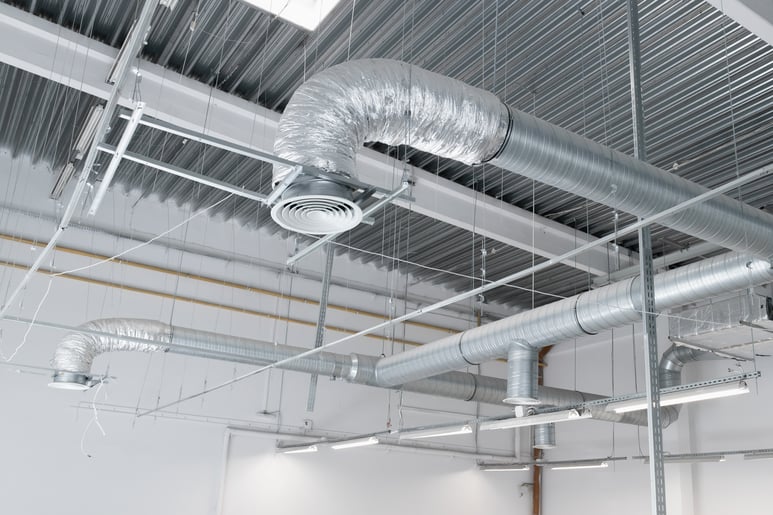
Extraction and Ventilation Problems
Kitchen extraction systems work continuously to remove heat, grease, and airborne contaminants.
Over time, systems can suffer from:
- grease build-up
- blocked filters
- poor airflow
- fan motor issues
- reduced ventilation efficiency
Poor extraction performance can affect kitchen safety, air quality, and equipment performance.
How to Prevent It
- Scheduled extraction cleaning
- Filter replacement
- Ventilation inspections
- Routine fan and motor servicing
- Airflow performance checks
Oven and Cooking Equipment Failures
Commercial ovens, grills, fryers, and cooking appliances experience significant wear due to constant daily use.
Common faults include:
- thermostat failures
- ignition issues
- uneven heating
- damaged heating elements
- electrical or gas faults
Unexpected failures can immediately impact food service operations during peak periods.
How to Prevent It
- Planned servicing schedules
- Calibration and temperature testing
- Inspection of electrical and gas components
- Early replacement of worn parts
- Routine operational checks
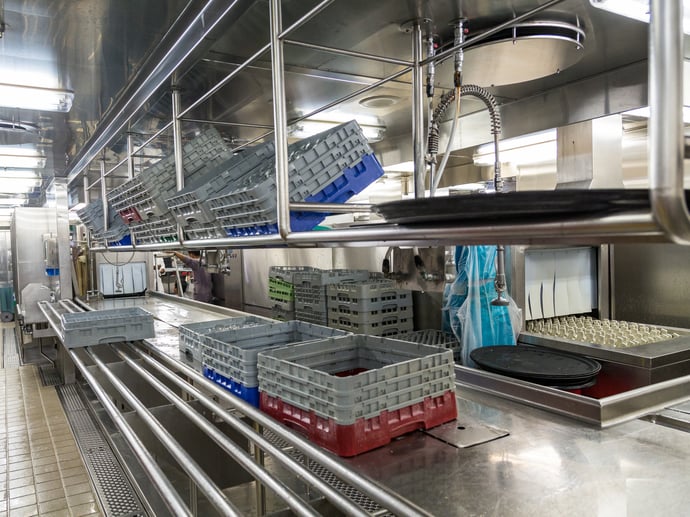
Dishwasher and Warewashing Equipment Issues
Commercial dishwashers are critical for maintaining hygiene standards and operational flow within kitchens.
Common problems include:
- drainage blockages
- heating failures
- poor water pressure
- scaling and limescale build-up
- inconsistent wash performance
Failures can quickly affect kitchen operations and hygiene compliance.
How to Prevent It
- Regular descaling
- Filter cleaning
- Water pressure checks
- Routine servicing and inspections
- Monitoring wash temperatures
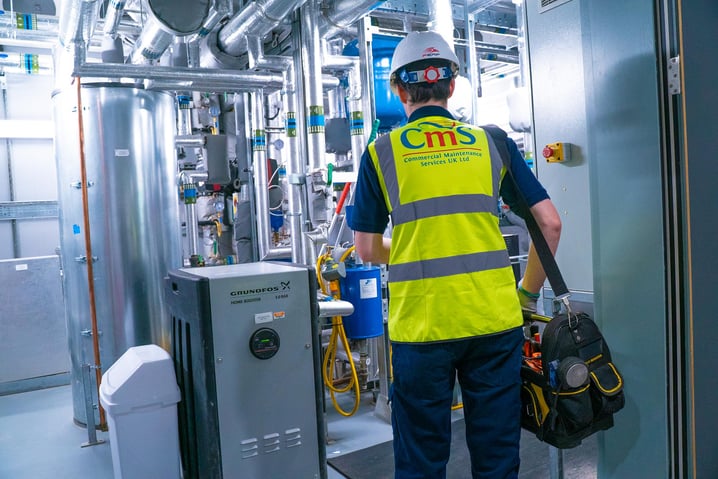
Gas and Electrical Faults
Commercial catering equipment relies heavily on safe and reliable gas and electrical systems.
Faults may include:
- damaged wiring
- overloaded circuits
- gas leaks
- ignition failures
- power interruptions
These issues can create serious operational and safety risks if not addressed quickly.
How to Prevent It
- Regular compliance inspections
- Electrical testing
- Gas safety checks
- Preventative maintenance programmes
- Immediate response to warning signs
Why Planned Preventative Maintenance Matters
Many catering equipment failures develop gradually over time before becoming major operational issues.
Planned preventative maintenance (PPM) helps businesses:
- identify faults early
- reduce emergency breakdowns
- improve equipment efficiency
- extend asset lifespan
- maintain operational continuity
For facilities managers and catering operators, proactive maintenance creates greater visibility and control across kitchen environments.
The Growing Importance of Operational Efficiency
As energy costs and operational pressures continue to increase, commercial kitchens are under growing pressure to improve efficiency while reducing disruption.
Poorly maintained equipment can:
- increase energy consumption
- reduce kitchen productivity
- shorten equipment lifespan
- increase long-term operational costs
A proactive maintenance strategy helps ensure equipment continues operating safely, efficiently, and reliably throughout the year.
How CMS Supports Commercial Catering Equipment Maintenance
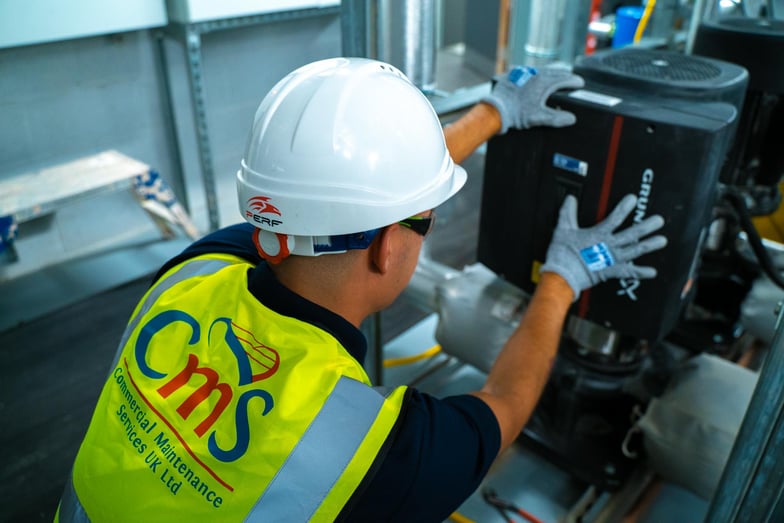
CMS provides planned and reactive commercial catering equipment maintenance services across the UK.
Our support includes:
- refrigeration systems
- extraction and ventilation
- cooking equipment
- gas catering systems
- electrical catering equipment
Using a predominantly self-delivery model and nationwide engineering coverage, CMS helps clients maintain safe, compliant, and efficient kitchen operations while minimising disruption.
Final Thoughts
Commercial catering equipment failures can quickly disrupt operations, impact compliance, and increase operational costs.
By identifying common faults early and implementing planned preventative maintenance strategies, businesses can improve reliability, reduce downtime, and support safer, more efficient commercial kitchen environments.
As operational demands continue to increase, proactive maintenance is becoming an essential part of effective commercial catering management.