Facilities Management Trends to Watch in 2026
Why Facilities Management Is Continuing to Evolve
Facilities management is becoming increasingly focused on operational efficiency, compliance, energy performance, and smarter building management.
As businesses continue to face rising operational costs, growing sustainability expectations, and increased pressure around building performance, facilities teams are being expected to deliver more strategic value than ever before.
In 2026, the industry is continuing to shift towards proactive maintenance strategies, smarter building technologies, improved operational visibility, and more data-led decision-making.
For facilities managers, staying ahead of these changes is becoming essential for maintaining reliable, efficient, and compliant commercial environments.
The Shift Towards Predictive Maintenance
Reactive maintenance is gradually being replaced by more proactive and predictive maintenance strategies.
Facilities teams are increasingly using real-time monitoring, asset performance data, fault detection systems, CAFM platforms, and intelligent building controls to identify issues before failures occur.
This approach helps businesses reduce downtime, improve asset lifespan, lower emergency repair costs, and maintain operational continuity across commercial estates.
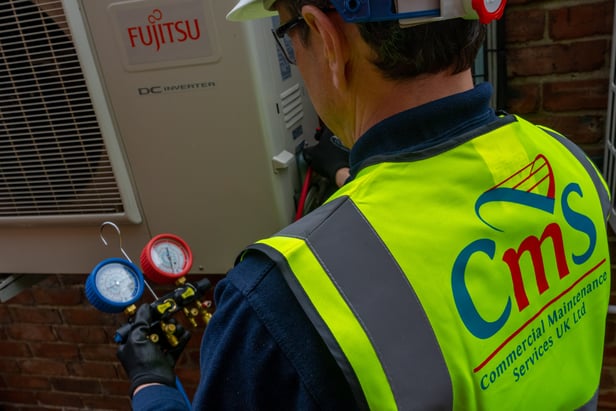
Predictive maintenance is becoming particularly important across HVAC systems, refrigeration equipment, electrical infrastructure, and critical plant assets where unexpected failures can have a significant operational impact.
Growing Investment in Smart Building Technology
Building Energy Management Systems (BeMS) and intelligent building controls are becoming a much larger part of modern facilities management strategies.
Businesses are investing more heavily in connected systems that improve energy efficiency, operational visibility, and overall building performance.
Technologies such as weather compensation, intelligent cooling optimisation, occupancy-based controls, and remote monitoring are helping facilities teams manage HVAC systems more efficiently while reducing unnecessary energy consumption.
As energy costs continue to rise, smarter building management is becoming less of a future ambition and more of a commercial necessity.

Energy Efficiency Remains a Major Priority
Energy performance continues to be one of the biggest focus areas for commercial buildings in 2026.
Facilities managers are under increasing pressure to reduce operational costs, improve sustainability performance, and optimise asset efficiency across their estates.
Poorly maintained systems often lead to unnecessary energy usage, reduced equipment performance, and increased operational spend.
As a result, businesses are placing greater emphasis on preventative maintenance, system optimisation, and lifecycle management to improve long-term building performance.
Compliance and Operational Visibility
Compliance expectations across commercial buildings continue to increase, particularly within sectors such as healthcare, education, hospitality, retail, and commercial property.
Facilities teams are expected to maintain accurate maintenance records, demonstrate statutory compliance, and provide greater reporting visibility across building assets.
Digital reporting systems and CAFM platforms are helping businesses improve accountability, audit readiness, and operational transparency while making it easier to manage multi-site environments more effectively.

Smarter Multi-Site Facilities Management
Managing multiple sites is becoming increasingly data-driven and performance-focused.
Businesses are looking for greater consistency across their estates, with stronger communication, faster response times, improved reporting visibility, and clearer contractor accountability.
Facilities managers are placing greater value on maintenance providers that can combine nationwide coverage with local engineering support, helping ensure consistent service delivery across multiple locations.
Technology is also playing a growing role in helping businesses gain real-time visibility of operational performance across their estates.
The Continued Importance of Planned Preventative Maintenance
Planned preventative maintenance continues to play a critical role in protecting asset performance and reducing operational disruption.
Businesses are increasingly recognising the long-term value of routine servicing, preventative inspections, and proactive fault identification rather than relying solely on reactive repairs.
A well-managed preventative maintenance strategy can help improve reliability, maintain compliance, extend asset lifespan, and reduce long-term operational costs.
How CMS Supports Modern Facilities Management
At CMS, we understand that modern facilities management requires more than reactive support alone. Businesses need reliable maintenance partners that can deliver consistency, operational visibility, and long-term asset performance across increasingly complex commercial environments.
Our nationwide engineering network supports clients with integrated planned and reactive maintenance services across HVAC, mechanical, electrical, refrigeration, catering equipment, and BeMS systems.
By combining technical expertise, responsive service delivery, and a predominantly self-delivery model, CMS helps organisations reduce operational disruption, improve efficiency, and maintain safe, compliant, and high-performing buildings across multi-site estates.